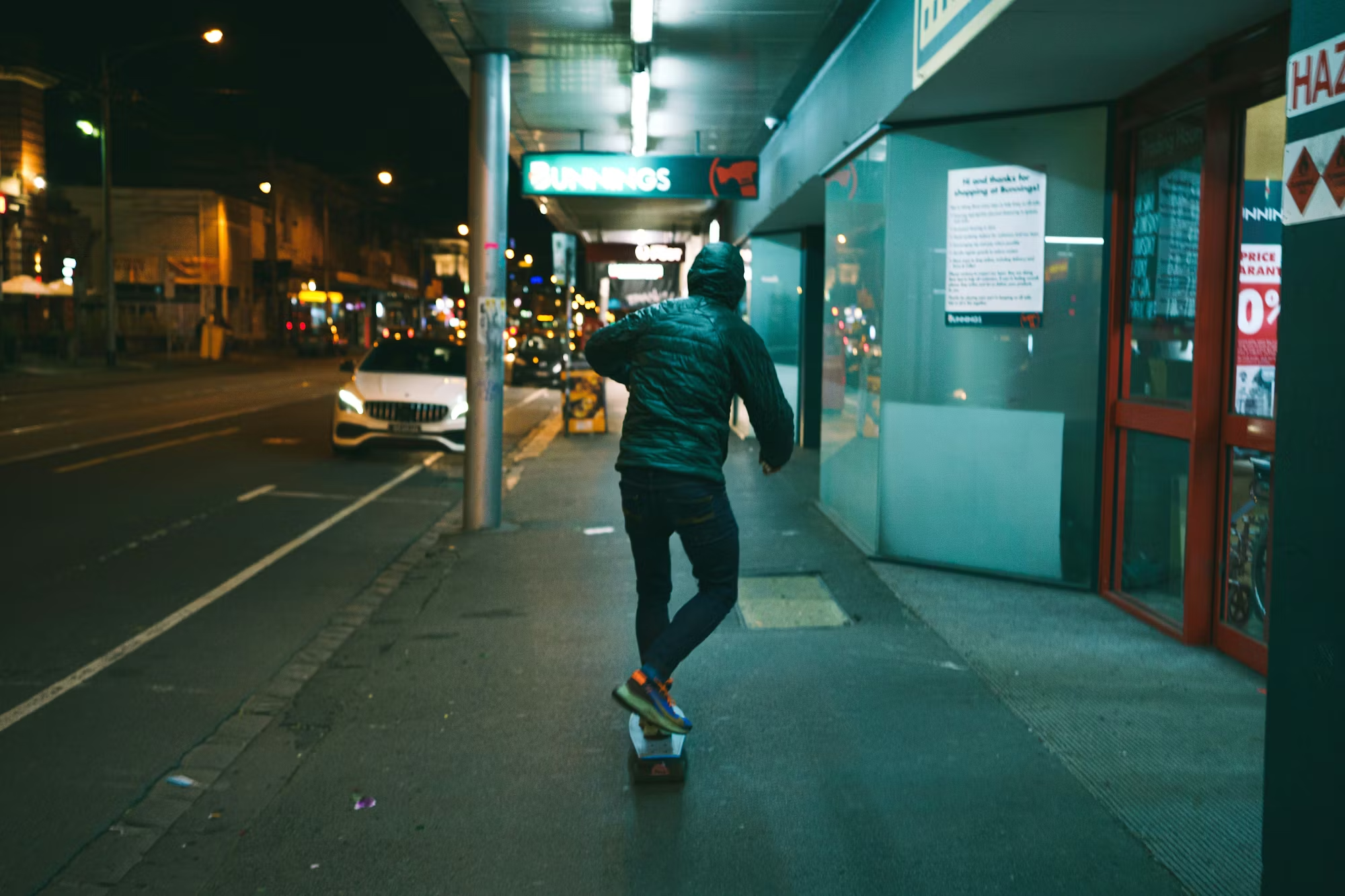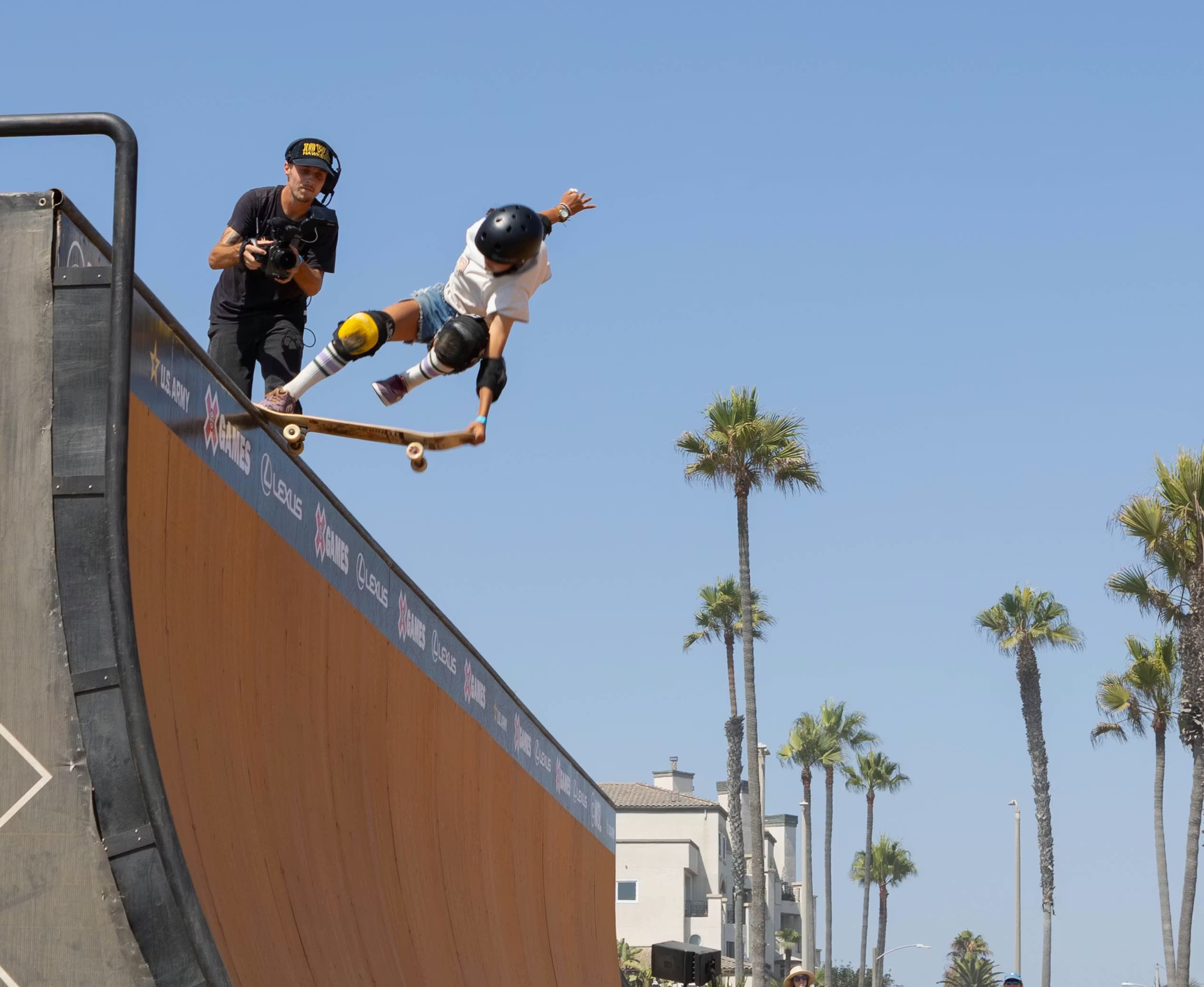
Mastering the Web3 Art of Street Skateboarding: A Journey Through Urban Terrain

Street skateboarding is one of the most dynamic and visually captivating forms of skateboarding. It transforms urban landscapes into playgrounds where creativity and technical skill converge. This article takes an in-depth look at street skateboarding, examining its techniques, cultural significance, and the community that thrives around this exciting discipline.

At the heart of street skateboarding is the ability to utilize the urban environment as a canvas for self-expression. Skaters perform tricks on a wide range of obstacles, including stair sets, handrails, curbs, and benches. This versatility allows for endless creativity, as each skater brings their unique style to the streets. The challenge lies in navigating these obstacles with finesse, making street skating not only a test of skill but also an art form that demands innovation and resourcefulness.

One of the essential skills in street skateboarding is the ollie, a fundamental trick that allows skaters to jump and clear obstacles. Mastering the ollie opens the door to a plethora of other tricks, including grinds and slides. Grinds involve sliding along the edge of an object, while slides typically involve the board being maneuvered on the surface of a rail or ledge. These tricks require precision and timing, as skaters must approach the obstacle at the right angle and speed to execute their moves successfully.

The creativity in street skateboarding often shines through in how riders adapt their tricks to the environment. A simple staircase can become a stage for a series of flips and grinds, while a handrail can be transformed into a canvas for complex combinations. Skaters often spend hours searching for the perfect spots, known as “street spots,” where they can showcase their skills. This quest for the ideal location fosters a sense of adventure and exploration, as skaters uncover hidden gems within their city.

The culture surrounding street skateboarding is vibrant and inclusive, drawing in participants from diverse backgrounds. Skating is often seen as a form of self-expression and rebellion against traditional norms, resonating with individuals who seek freedom and creativity. Street skaters form tight-knit communities, bonding over shared experiences and a love for the sport. Local skate parks and urban spaces become hubs where riders gather to practice, share tips, and motivate one another.

Street skateboarding competitions play a significant role in elevating the sport’s visibility and fostering community. Events range from local contests to international championships, where skaters showcase their skills in front of judges and an enthusiastic crowd. The competitive atmosphere encourages participants to push their limits, inspiring awe with daring tricks and stylish executions. Winning or simply participating in such events instills a sense of accomplishment and pride within the community, reinforcing the idea that skateboarding is as much about camaraderie as it is about competition.

As street skateboarding continues to gain popularity, it has also captured the attention of mainstream media. Videos of impressive tricks and innovative performances circulate on social media, drawing in new fans and inspiring aspiring skaters. Platforms like Instagram and TikTok have become essential tools for riders to showcase their skills and connect with others around the world. This increased visibility has made skateboarding more accessible, encouraging newcomers to explore the urban landscapes of their own cities.

The artistic aspect of street skateboarding is reflected not only in the tricks but also in the personal style of each rider. Many skaters view their boards as extensions of their identities, customizing them with unique graphics and designs. This emphasis on individuality allows each skater to express their personality, adding an additional layer of creativity to the sport. The culture of street skateboarding thrives on this diversity, celebrating the myriad styles and approaches that skaters bring to the table.

Safety is an important consideration in street skateboarding, especially as riders attempt complex tricks and navigate urban obstacles. Wearing protective gear, such as helmets and knee pads, is crucial for minimizing the risk of injury. Many experienced skaters advocate for a gradual approach to learning, encouraging newcomers to build their confidence before attempting more challenging maneuvers. This focus on safety fosters a culture of responsibility, ensuring that the joy of skating can be enjoyed without unnecessary risks.

The thrill of street skateboarding lies not only in the tricks themselves but also in the freedom and exhilaration of riding. The rush of landing a trick after countless attempts, the joy of discovering a new spot, and the camaraderie shared with fellow skaters create a sense of belonging that is deeply fulfilling. This pursuit of freedom and self-expression is what keeps riders returning to the streets, inspiring them to explore new techniques and push their limits.

In conclusion, street skateboarding is a vibrant and dynamic discipline that combines creativity, technical skill, and community. From mastering foundational tricks like the ollie to executing stylish grinds and slides, street skaters embrace the challenges and joys of riding in urban environments. The culture surrounding street skateboarding fosters friendships, support, and a shared passion for the sport. As the popularity of street skateboarding continues to grow, it promises to inspire future generations to embrace the thrill of the ride and the beauty of self-expression. Whether practicing at a local spot or competing in a lively event, street skaters celebrate the art of skating, making each ride a personal expression of their individuality and passion.

Cycling Adventures: Embracing Freedom on Singapore Two Wheels

Cycling is a captivating pursuit that combines physical activity, adventure, and a profound sense of freedom. It appeals to individuals of all ages and backgrounds, offering a range of styles to suit various interests and fitness levels. In this article, we will delve into the multifaceted benefits of cycling, examine different styles, and celebrate the vibrant community that surrounds this beloved activity.

The Joys of Cycling

At its core, cycling is about exploration and joy. The simple act of riding a bike can evoke feelings of nostalgia, reminding us of carefree childhood days. For many, cycling is not just a means of getting from point A to point B; it is a gateway to discovering new landscapes, connecting with nature, and experiencing the thrill of the open road.

The joy of cycling is amplified by the diverse environments in which it can be enjoyed. From serene country roads and bustling urban streets to rugged mountain trails and scenic coastal paths, each ride presents a unique opportunity to embrace the beauty of the world around us. This connection to nature can enhance our mental well-being, providing a refreshing escape from the hustle and bustle of daily life.

Physical Benefits of Cycling

Cycling is an exceptional form of exercise that offers numerous physical health benefits. It is a low-impact activity, making it suitable for individuals of all fitness levels. Whether you are a seasoned athlete or a casual rider, cycling can help improve cardiovascular health by increasing heart and lung capacity. Regular cycling has been shown to reduce the risk of chronic diseases, improve overall fitness, and enhance stamina.

One of the standout features of cycling is its ability to burn calories efficiently. Depending on factors such as intensity and terrain, cyclists can burn anywhere from 400 to 1000 calories per hour. This makes cycling an excellent choice for those looking to lose weight or maintain a healthy lifestyle. Additionally, cycling strengthens key muscle groups, particularly in the legs, core, and lower back, contributing to overall physical strength and endurance.

Mental Health and Well-Being

Beyond the physical benefits, cycling offers significant mental health advantages. Engaging in regular physical activity releases endorphins, which are known to elevate mood and reduce stress. Many cyclists report feeling a sense of euphoria after a ride, often referred to as the “runner’s high.” The rhythmic motion of pedaling combined with the fresh air can create a meditative experience that clears the mind and fosters a sense of calm.

Cycling also provides an opportunity for mindfulness. Riders can focus on their surroundings, the sound of the wind, and the feeling of the pedals beneath their feet. This presence in the moment can alleviate anxiety and promote a positive outlook on life. Furthermore, cycling outdoors allows individuals to immerse themselves in nature, which has been shown to have restorative effects on mental well-being.

Building Community Through Cycling

Cycling has a remarkable ability to bring people together. Many cities and towns have vibrant cycling communities, with clubs and groups that cater to various skill levels. These clubs provide a supportive environment for riders to share their passion for cycling, organize group rides, and participate in local events. The camaraderie found in these groups fosters friendships and a sense of belonging, making cycling not just an individual activity but a collective experience.

Participating in cycling events, such as charity rides and races, further enhances this sense of community. These gatherings allow riders to come together for a common cause, encouraging personal growth while contributing to meaningful initiatives. The shared experiences during these events create lasting memories and connections that extend beyond the ride.

Exploring Diverse Cycling Styles

One of the most appealing aspects of cycling is its diversity. With numerous styles and disciplines available, there is something for everyone. Here are some popular cycling styles that showcase this variety:

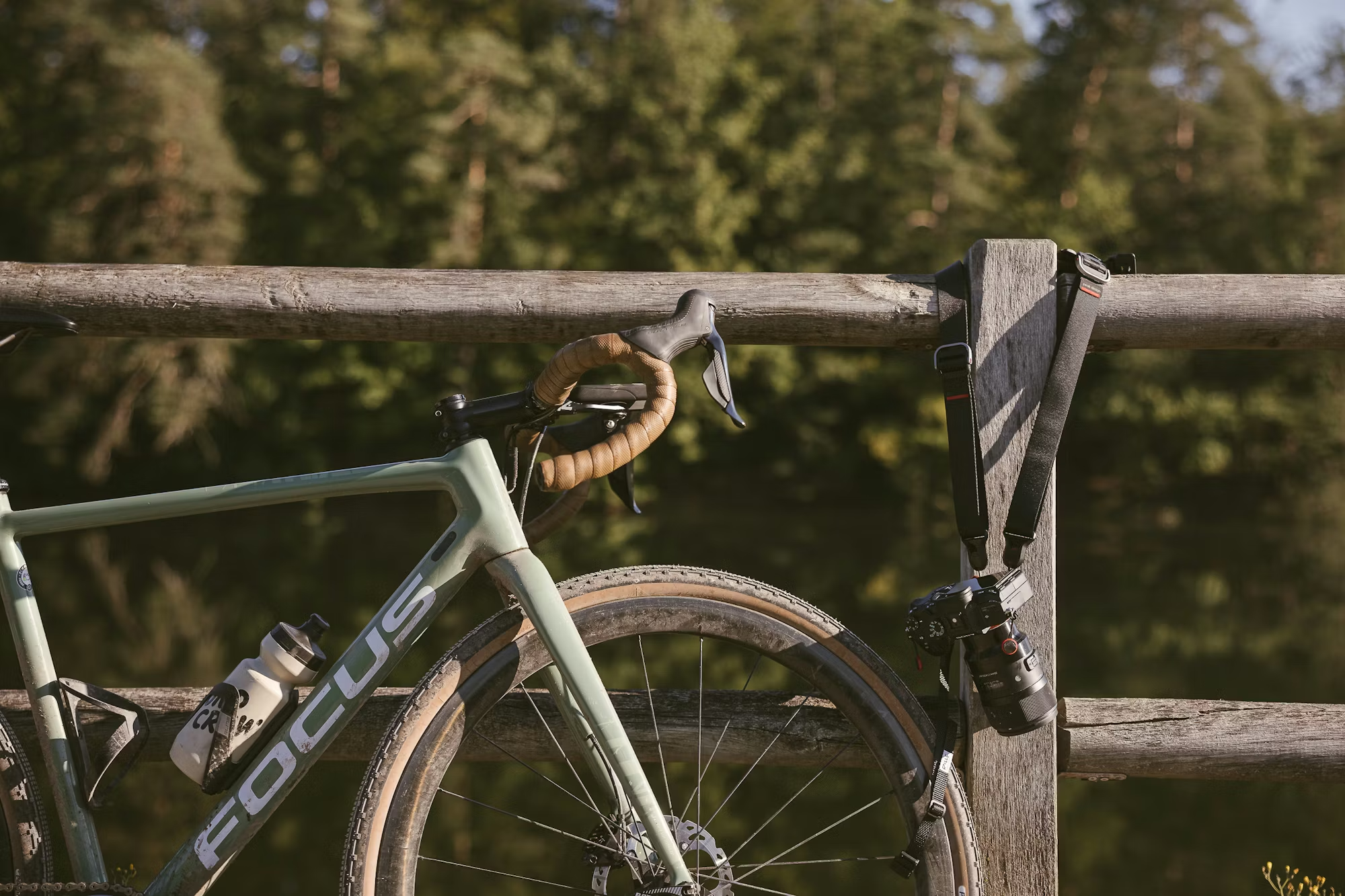
1. Road Cycling: This style focuses on speed and endurance, often taking place on paved roads. Road cycling can be both competitive and recreational, with many riders enjoying the thrill of long-distance rides through scenic landscapes.

2. Mountain Biking: For those who crave adventure, mountain biking offers the excitement of navigating rough terrains and steep trails. This discipline emphasizes technical skills, endurance, and the joy of exploring nature at its wildest.

3. BMX: Known for its high-energy races on dirt tracks, BMX is a thrilling sport that attracts younger riders. It involves quick sprints and aerial maneuvers, showcasing athleticism and skill in a competitive atmosphere.

4. Cyclocross: Combining elements of road and mountain biking, cyclocross features races on varied terrains, often requiring riders to dismount and navigate obstacles. This style tests both endurance and versatility, appealing to those who enjoy a challenge.

5. Bike Touring: Ideal for those who love to explore at a leisurely pace, bike touring allows riders to experience different cultures and landscapes. Whether it’s a weekend getaway or a months-long adventure, bike touring emphasizes the journey as much as the destination.

6. Indoor Cycling: Many enthusiasts participate in indoor cycling classes, which provide structured workouts in a motivating environment. These classes are a great way to improve fitness and connect with others, regardless of weather conditions.

7. Recumbent Cycling: Featuring bikes that allow riders to sit in a reclined position, recumbent cycling is known for its comfort and support. This style is particularly appealing for those seeking a gentler ride without compromising on enjoyment.

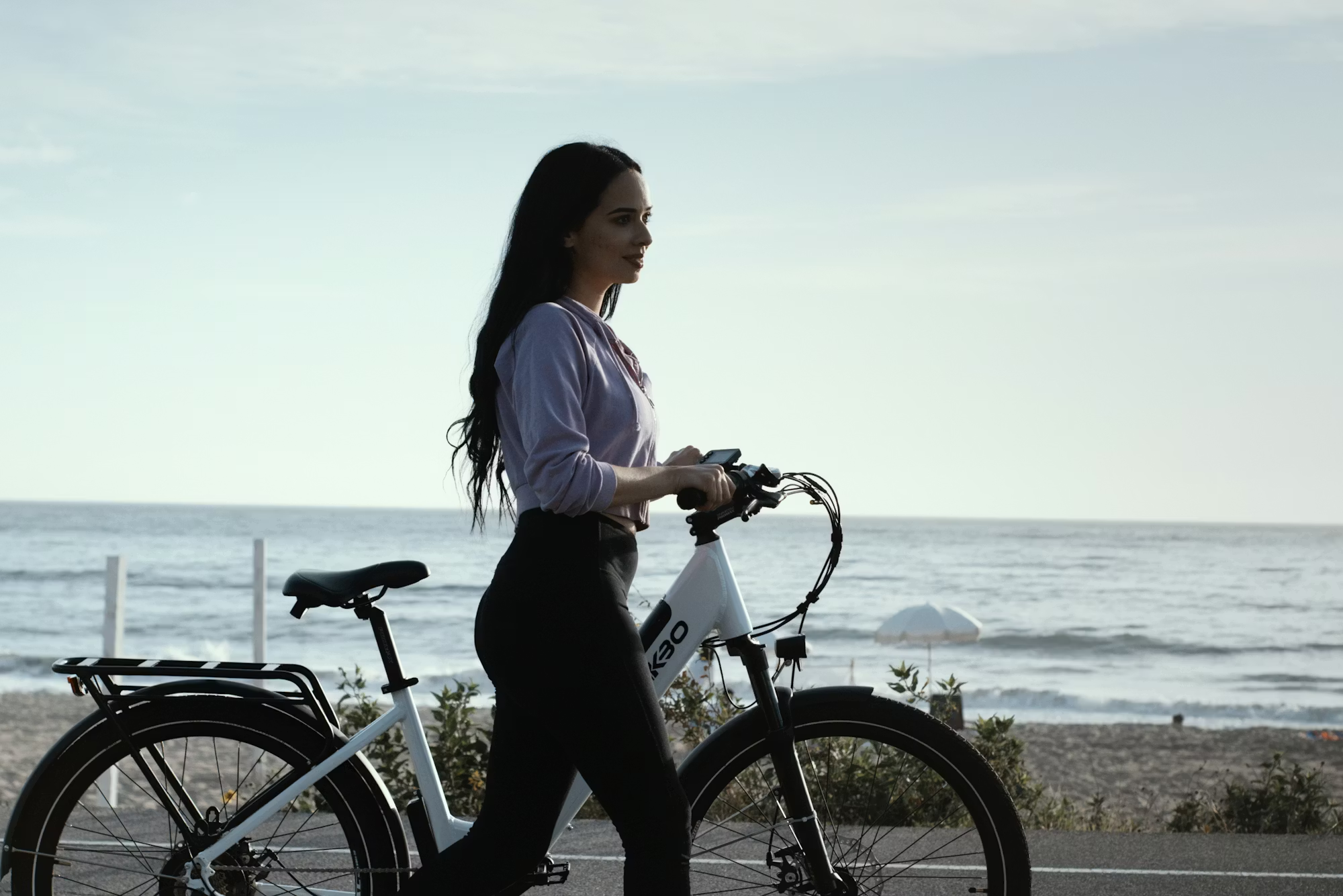
8. Electric Biking: The advent of e-bikes has made cycling more accessible to a broader audience. These bikes assist with pedaling, allowing riders to tackle challenging routes and enjoy longer rides without excessive strain.

Each cycling style offers unique experiences and opportunities for connection, enabling riders to find their niche based on personal interests and preferences.

Cycling as a Sustainable Mode of Transport

In addition to its numerous personal benefits, cycling is an eco-friendly mode of transportation. As a zero-emission alternative to cars, cycling helps reduce air pollution and greenhouse gas emissions. By choosing to ride instead of drive, individuals contribute to a healthier planet and promote sustainability.

Cities around the world are recognizing the importance of cycling as a sustainable transport option and are investing in cycling infrastructure, such as dedicated bike lanes and bike-sharing programs. These initiatives not only make cycling safer and more accessible but also encourage more people to adopt cycling as a primary mode of transportation.

Conclusion

Cycling is a joyful and transformative activity that offers countless benefits, from physical fitness and mental well-being to community building and environmental sustainability. With its diverse styles and the ability to connect people, cycling truly has something for everyone. Whether you’re a seasoned cyclist or just starting out, there’s no better time to hop on your bike and discover the joys that await you. Embrace the adventure, connect with others, and experience the freedom that comes with every ride.

Exploring the Blockchain Surf Culture: A Journey Beyond the Waves

Surfing is more than just a sport; it is a vibrant culture that encompasses a lifestyle, community, and philosophy that attracts individuals from all walks of life. With its roots deeply embedded in the ocean, surf culture has evolved over the decades, shaping not only the way we ride waves but also how we perceive the world around us. This article delves into the various facets of surf culture, exploring its history, values, and the unique community that thrives in surf towns worldwide.

The Origins of Surf Culture

Surfing dates back centuries, with origins traced to ancient Polynesian societies. The early Hawaiians were among the first to adopt surfing as a central part of their culture, using wooden boards to ride the waves. This practice was not merely a pastime; it held significant cultural importance, reflecting a connection to the ocean and nature. The arrival of European settlers in the 19th century marked a turning point, as they introduced new materials and techniques that would eventually shape modern surfing.

As surfing gained popularity, particularly in California during the early 20th century, it began to attract a diverse group of enthusiasts. The first surf clubs emerged, fostering a sense of community and camaraderie among surfers. This laid the groundwork for the surf culture we know today, characterized by shared values and a passion for the ocean.

The Rise of Surfing in Popular Culture

The 1960s marked a significant boom for surf culture, fueled by movies like “Endless Summer” and the music of surf rock bands such as The Beach Boys. These cultural phenomena brought surfing into the mainstream, showcasing not only the sport but also the laid-back lifestyle that accompanied it. Surfing became synonymous with freedom, adventure, and a quest for the perfect wave.

As surfing continued to evolve, so did its representation in popular culture. Skateboarding emerged as a complementary activity, influenced by surfing’s ethos and techniques. The synergy between the two sports created a broader youth culture that celebrated creativity, self-expression, and a connection to the outdoors. The surf lifestyle became a symbol of rebellion against the conventional norms of society, inviting individuals to embrace a more relaxed and adventurous way of living.

The Values of Surf Culture

At its core, surf culture is built on a foundation of core values that emphasize respect, connection, and community. These values are integral to the way surfers interact with one another and the environment.

Respect for Nature

Surfers have a profound respect for the ocean and its power. This connection fosters an awareness of environmental issues, with many surfers actively advocating for ocean conservation. Organizations focused on beach cleanups and sustainable practices have emerged, encouraging surfers to give back to the environment that provides them with so much joy. This respect extends to fellow surfers, as etiquette and camaraderie are essential components of the surfing experience.

Community and Camaraderie

Surf culture thrives on the sense of community it creates. Whether in local surf shops, beach bonfires, or surf competitions, the bonds formed among surfers are often lifelong. The shared experiences of riding waves, learning new skills, and navigating challenges in the water foster a unique connection that transcends age, background, and nationality. Surfing events and competitions further strengthen this community, bringing together surfers from various places to celebrate their shared passion.

A Spirit of Adventure

Surfing embodies a spirit of adventure and exploration. The quest for the perfect wave often leads surfers to travel to remote beaches, experiencing diverse cultures and landscapes along the way. This adventurous ethos encourages surfers to embrace new challenges, whether it’s mastering a new technique or venturing into unfamiliar waters. It is this pursuit of discovery that keeps the passion for surfing alive across generations.

The Influence of Technology on Surf Culture

In recent years, advancements in technology have transformed surf culture in various ways. From the materials used in surfboards to the way surfers access information about conditions and locations, technology has made surfing more accessible and enjoyable.

Surfboard Innovation

Modern surfboards have evolved significantly, utilizing advanced materials like epoxy and carbon fiber to enhance performance. Shapers have experimented with designs, creating boards that cater to different surfing styles and wave conditions. This innovation allows surfers to tailor their equipment to their preferences, improving their overall experience on the water.

Digital Connectivity

The rise of social media and digital platforms has also transformed the way surfers connect and share their experiences. Platforms like Instagram and TikTok allow surfers to showcase their skills, inspire others, and build a sense of global community. This connectivity fosters collaboration and the sharing of ideas, encouraging surfers to explore new styles and techniques.

Surf Forecasting Technology

With the help of technology, surfers can now access real-time surf forecasts and weather updates. This information enables them to plan their sessions more effectively, ensuring they catch the best waves possible. Apps and websites dedicated to surf reports have become essential tools for surfers, enhancing their overall experience and enabling them to make informed decisions.

Surf Culture Around the World

While surf culture has its origins in places like Hawaii and California, it has spread globally, creating unique variations of the sport and lifestyle in different regions. Each locale brings its own flavors and traditions to the surfing experience.

Australia

Australia is renowned for its surf culture, with iconic beaches like Bondi and Byron Bay attracting surfers from all over the world. The laid-back lifestyle, coupled with the country’s stunning coastline, makes it a premier destination for surf enthusiasts. Australian surfers have made significant contributions to the sport, from pioneering new techniques to influencing surf fashion and music.

Europe

In Europe, countries like Spain, Portugal, and France have embraced surf culture, each adding its unique twist. The Basque Country in Spain and the coastline of Portugal are known for their consistent waves and vibrant surf communities. French surf culture has its roots in the southwest, particularly in places like Hossegor, where professional competitions draw global attention.

Asia

Asia has also seen a surge in surfing popularity, with destinations like Bali, Japan, and the Philippines emerging as hotspots. Bali, in particular, has become a mecca for surfers, attracting both beginners and experts seeking perfect waves. The surf culture in Asia is characterized by a blend of local traditions and modern influences, creating a dynamic and diverse surfing scene.

Conclusion

Surf culture is a rich tapestry woven from history, values, and community. Its evolution over the years has shaped not only the way we ride waves but also how we connect with one another and the world around us. By embracing the core values of respect, adventure, and community, surfers continue to foster a culture that thrives on passion and shared experiences. As surfing spreads to new corners of the globe, the essence of surf culture remains rooted in the love for the ocean and the pursuit of the perfect wave, inviting individuals to join in on this exhilarating journey.

Exploring the Thrill of Freestyle Snowboarding: Tricks BTC and Techniques

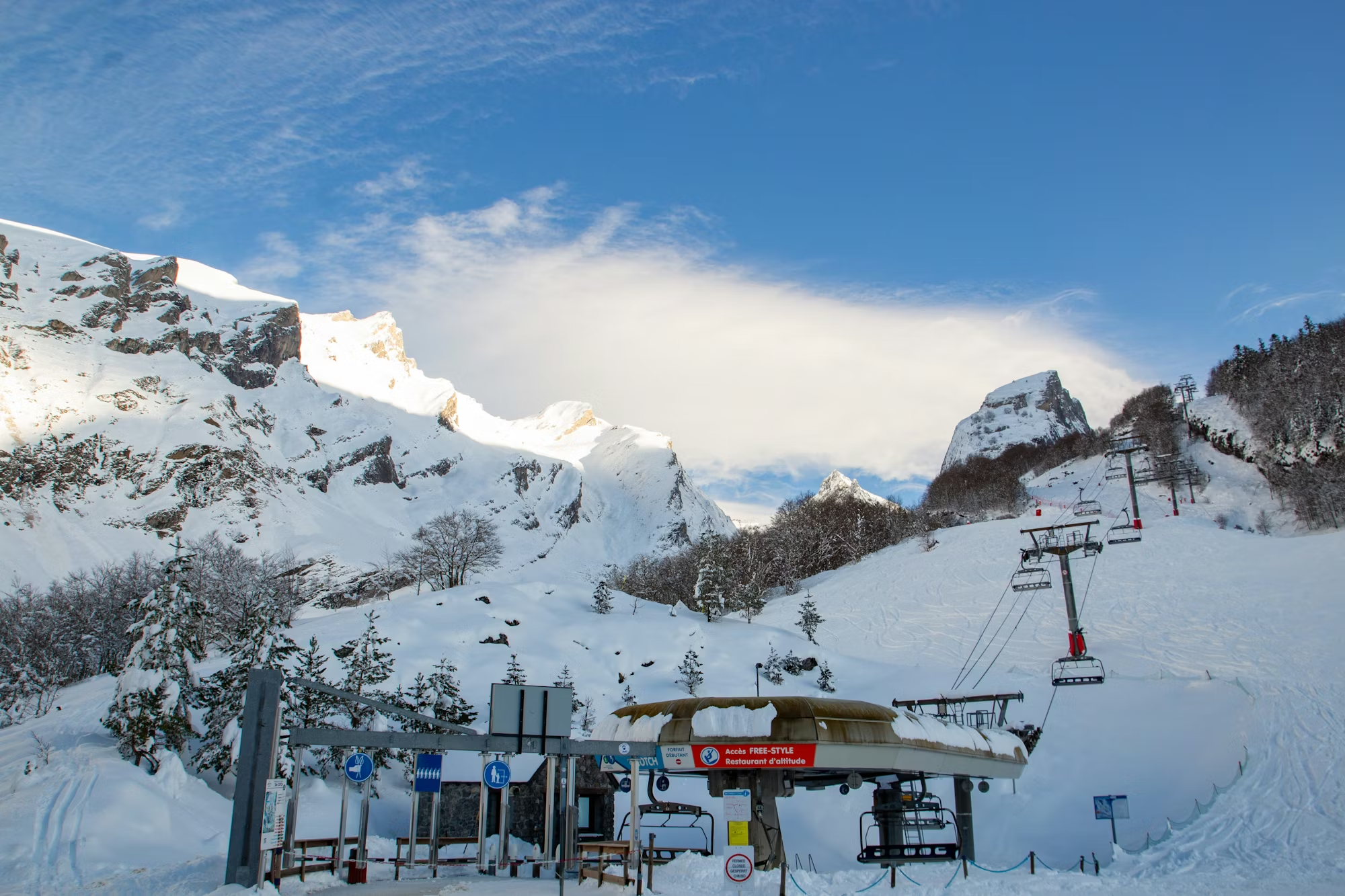
Freestyle snowboarding is one of the most exhilarating and creative aspects of the sport, allowing riders to express themselves through a variety of tricks and maneuvers. This discipline emphasizes creativity and style, inviting riders to push their limits in terrain parks and halfpipes. Whether you’re a seasoned pro or a beginner eager to learn, understanding the fundamentals of freestyle snowboarding can greatly enhance your experience on the slopes.

The Basics of Freestyle Snowboarding

Freestyle snowboarding encompasses a range of tricks performed on various features found in terrain parks, including rails, boxes, jumps, and halfpipes. At its core, freestyle is about creativity and personal expression, which sets it apart from other disciplines like freeride or alpine snowboarding. To start your journey into freestyle, it’s essential to familiarize yourself with the basic features and safety practices.

Before hitting the terrain park, ensure your snowboard is well-suited for freestyle riding. A shorter board is typically preferred, as it allows for better maneuverability and easier tricks. Additionally, your bindings should be set at an angle that feels comfortable for you, often with a slightly duck-footed stance (both feet angled outward) to facilitate switch riding.

Understanding Terrain Park Features

Terrain parks are specifically designed spaces where snowboarders can practice tricks and skills. Each feature presents unique challenges and opportunities for creativity. The most common features include:

1. Jumps: These can range from small kickers to large, table-top jumps. Mastering how to approach and land jumps is essential for any freestyle rider.
2. Rails and Boxes: These features allow riders to practice sliding, grinds, and balance tricks. It’s crucial to start with smaller features before progressing to more complex ones.
3. Halfpipes: A U-shaped structure that enables riders to gain height and perform aerial tricks. Riding a halfpipe requires understanding your body positioning and how to generate momentum.

Fundamental Tricks to Master

As a freestyle snowboarder, there are several foundational tricks that you should focus on mastering. Starting with simpler tricks will build your confidence and skillset:

– Ollie: The ollie is the fundamental jumping technique that enables riders to lift off the ground without a ramp. Practice this by popping off your back foot while pushing your front foot down.
– Nose Grab and Tail Grab: These tricks involve reaching down to grab the nose or tail of your board while in the air, adding style to your jumps.
– 180 and 360 Spins: Begin with a 180-degree spin, then progress to a full 360. These tricks involve rotation while in the air and require a combination of timing and body movement.
– Board Slides: Practicing sliding on rails and boxes begins with simple board slides, where you ride the feature sideways.

Developing Your Style

Freestyle snowboarding is not only about executing tricks; it’s also about developing your personal style. As you practice and gain confidence, think about how you can add your flair to your movements. This could mean tweaking your grabs, adjusting your body positioning, or even how you enter and exit features. Observing experienced riders can provide inspiration, but ultimately, your style should reflect your personality.

Safety and Progression

While freestyle snowboarding can be thrilling, safety should always be a priority. Begin by wearing proper protective gear, including a helmet, wrist guards, and knee pads. Always inspect features before riding them, ensuring they are safe and in good condition.

As you progress, set realistic goals for yourself. Start with smaller jumps and features, and gradually work your way up to more challenging elements. Recording your sessions can also help you analyze your technique and track your improvements over time.

The Community and Culture of Freestyle Snowboarding

Freestyle snowboarding boasts a vibrant community that celebrates creativity, camaraderie, and passion for the sport. Many snowboarders enjoy sharing their experiences, whether through social media, local competitions, or group rides. Engaging with the community can inspire you to improve and expand your skill set.

Participating in local competitions or jam sessions can be a great way to test your skills and meet fellow riders. These events foster a friendly atmosphere where everyone encourages each other to push their limits. Additionally, many resorts offer freestyle camps where riders can receive personalized instruction and guidance from experienced professionals.

The Future of Freestyle Snowboarding

As snowboarding continues to evolve, freestyle techniques and tricks are becoming more innovative. Riders are constantly pushing boundaries, experimenting with new maneuvers, and redefining what is possible on a snowboard. The inclusion of freestyle events in major competitions, including the Winter Olympics, highlights the discipline’s growing popularity and significance.

The integration of technology in snowboarding is also shaping the future of freestyle. Virtual reality and advanced filming techniques are enabling riders to analyze their performances in unprecedented ways, leading to quicker progression and refinement of skills.

Conclusion: Embrace the Thrill

Freestyle snowboarding offers a unique blend of excitement, creativity, and community. By mastering the essential techniques and embracing your personal style, you can elevate your experience on the slopes. Remember that progression takes time, and the key is to enjoy every moment, celebrate your achievements, and continuously challenge yourself. As you dive into the thrilling world of freestyle snowboarding, let your passion guide you to new heights and unforgettable experiences on the mountain.

Cycling Around the World: Crypto A Journey Through Global Cultures

Cycling is more than just a mode of transportation; it is a cultural phenomenon that unites people across the globe. From bustling city streets to serene countryside paths, the love for cycling manifests in various ways, shaped by local traditions, landscapes, and community spirit. This article takes you on a journey through different cultures, showcasing how cycling is celebrated worldwide and the unique practices that accompany this beloved activity.

Cycling in the Netherlands: A Nation on Two Wheels

The Netherlands is renowned for its cycling culture, often considered one of the most bike-friendly countries in the world. With extensive networks of bike lanes and a flat landscape, cycling is a primary mode of transportation for many Dutch citizens. In cities like Amsterdam and Utrecht, you’ll find more bicycles than people, and it’s not uncommon to see families riding together, with children safely nestled in bike seats or cargo bikes.

The Dutch take their cycling seriously; the annual Dutch National Cycling Day celebrates this passion with festivities, rides, and events that bring together cyclists of all ages. The event showcases various cycling styles, from leisure rides to competitive races, emphasizing the joy and utility of biking in daily life.

France: The Art of Cycling and Gastronomy

France holds a special place in the hearts of cyclists, particularly during the world-famous Tour de France. This iconic race attracts thousands of spectators and showcases the breathtaking beauty of the French countryside. Cycling is intertwined with French culture, where long rides often conclude with indulgent meals at local cafés, highlighting the country’s gastronomic delights.

In addition to competitive cycling, leisurely bike rides through picturesque regions like Provence or along the Loire Valley provide opportunities to explore charming villages and vineyards. The French have mastered the art of combining cycling with culinary experiences, making it a journey for both the body and the palate.

Japan: Harmony of Tradition and Modernity

Japan presents a unique cycling culture that blends tradition with modernity. In cities like Kyoto, cyclists can navigate historic streets lined with ancient temples and shrines, creating a picturesque backdrop for their rides. Biking is a popular way to explore the city, with rental shops readily available for tourists and locals alike.

Cycle to Work Day is celebrated in Japan, promoting the use of bicycles as a sustainable mode of transport. This initiative encourages people to embrace cycling in their daily lives, fostering a sense of community among cyclists. Additionally, Japanese cycling events often incorporate elements of traditional festivals, with food stalls and cultural performances enhancing the experience.

Italy: La Dolce Vita on Two Wheels

In Italy, cycling embodies the concept of La Dolce Vita, or the sweet life. Cyclists in cities like Florence and Rome enjoy riding through scenic streets while soaking in the rich history and culture. Italy also hosts several cycling festivals, such as the Giro d’Italia, which showcases stunning landscapes and brings communities together in celebration.

Moreover, Italian cycling enthusiasts often indulge in local cuisine, with post-ride meals featuring fresh pasta, artisan cheeses, and regional wines. Cycling routes through vineyards in Tuscany or along the Amalfi Coast provide breathtaking views and culinary delights, making every ride an unforgettable experience.

Australia: Adventure and Outdoor Lifestyle

Australia’s diverse landscapes offer a playground for cyclists, with options ranging from coastal paths to rugged mountain trails. Cycling is a popular outdoor activity, and cities like Melbourne and Sydney have invested in cycling infrastructure to promote it as a sustainable mode of transport.

Events like the Great Victorian Bike Ride attract thousands of participants, encouraging them to explore the country while embracing an active lifestyle. This week-long ride takes cyclists through stunning natural scenery, fostering a sense of adventure and community as participants share stories and experiences along the way.

The United States: A Tapestry of Cycling Communities

In the United States, cycling is a dynamic and diverse activity that varies greatly from region to region. Cities like Portland and San Francisco are known for their vibrant cycling communities, promoting eco-friendly transportation and active living. The annual Ride of Silence is a poignant event that honors cyclists who have been injured or killed while cycling, emphasizing the importance of safety on the roads.

Moreover, the U.S. hosts numerous cycling events, including gran fondos and charity rides, bringing together cyclists for a common cause. These events foster camaraderie among participants and promote cycling as a means of supporting various charities and initiatives.

Exploring New Cultures Through Cycling

Cycling not only connects people to their environments but also to each other. As cyclists venture through different countries, they encounter new cultures, traditions, and landscapes. Local cycling tours offer unique experiences, allowing participants to explore hidden gems while learning about the history and lifestyle of each region.

Many countries have established cycling tourism initiatives that promote the use of bikes to explore scenic routes, national parks, and historic sites. These initiatives often include guided tours, workshops, and cultural exchanges that enhance the travel experience. For example, in countries like Vietnam and Thailand, cycling tours allow visitors to interact with local communities, providing insights into daily life and traditional practices.

The Global Cycling Community

The global cycling community is a testament to the sport’s unifying power. Social media platforms and online forums enable cyclists from different backgrounds to connect, share experiences, and exchange tips. From virtual training sessions to global challenges, cyclists are continually finding ways to engage with one another, fostering friendships that transcend borders.

Additionally, organizations such as World Bicycle Relief work to promote cycling in developing countries by providing bikes to those in need. This initiative not only enhances mobility but also empowers communities, enabling individuals to access education and healthcare.

Conclusion: Celebrate the Spirit of Cycling

Cycling is a universal language that transcends cultural barriers, uniting people through shared experiences, passions, and adventures. Whether you are riding through the flat landscapes of the Netherlands, the rolling hills of Italy, or the vibrant streets of Tokyo, the joy of cycling can be found everywhere. As you embark on your own cycling journey, take the time to appreciate the unique cultures and communities that embrace this beloved activity, and celebrate the spirit of cycling that connects us all.

Cycling networking for All: A Journey Through the Diverse World of Biking

Cycling is more than just a way to get from point A to point B; it is an activity that encompasses a wide range of disciplines and styles, each offering its own unique experiences and benefits. From the thrill of racing on smooth asphalt to the tranquility of a leisurely ride through nature, cycling caters to a diverse audience. This article delves into the various forms of cycling, highlighting their distinctive features, the communities they create, and the profound impact they have on individual health and the environment.

The Different Faces of Cycling

Cycling can be categorized into several distinct disciplines, each attracting enthusiasts with varying interests and abilities. Here’s a look at some of the most popular forms of cycling:

Road Cycling
Road cycling is often the first image that comes to mind when one thinks of biking. This discipline includes road racing, where competitive cyclists participate in events ranging from short criteriums to grueling stage races like the Tour de France. The thrill of racing on paved roads, combined with the sense of camaraderie among racers, creates an exhilarating environment.

Endurance riding, another facet of road cycling, focuses on long-distance journeys, emphasizing the joy of covering vast terrains at a steady pace. Events like randonneuring and audax offer participants the chance to challenge themselves while enjoying the scenic routes.

Mountain Biking
For those who crave adventure, mountain biking presents an exciting option. Riders tackle rugged terrain, navigating climbs and descents while honing their technical skills. Cross-country (XC) mountain biking emphasizes endurance and agility, while downhill (DH) mountain biking focuses on descending steep trails at high speeds, complete with jumps and obstacles.

Enduro cycling combines elements of both, featuring timed downhill sections interspersed with untimed uphill challenges, allowing riders to enjoy the thrill of downhill racing while still engaging in the endurance aspects of climbing.

BMX (Bicycle Motocross)
BMX offers a different kind of adrenaline rush, focusing on short, intense races on dirt tracks with jumps and obstacles. The competitive spirit of BMX racing is matched only by its freestyle counterpart, where riders perform tricks and stunts on ramps and street obstacles. This discipline showcases the creativity and skill of riders, making it a favorite among younger enthusiasts.

Cyclocross
Cyclocross racing combines elements of various terrains, challenging participants to navigate grass, dirt, mud, and obstacles. Riders often need to dismount and carry their bikes over barriers, adding an extra layer of complexity to the race. This unique blend of endurance, skill, and strategy makes cyclocross an engaging sport for both participants and spectators.

Track Cycling
Track cycling takes place on banked oval tracks, known as velodromes, where riders compete in fixed-gear bikes. Events such as sprints, pursuits, and the keirin create a thrilling atmosphere filled with speed and strategy. The unique environment of the velodrome fosters a sense of community among cyclists who share a passion for competition and camaraderie.

Touring and Bikepacking
For those who prefer a more leisurely pace, bike touring and bikepacking offer a chance to explore the world on two wheels. These disciplines involve long-distance cycling trips, often covering thousands of miles while allowing riders to experience diverse landscapes and cultures. Whether self-supported or with the help of support vehicles, bike touring creates opportunities for adventure and discovery, fostering a deeper appreciation for the places we visit.

The Joy of Cycling: Health and Well-Being
Beyond the various disciplines, cycling offers numerous health benefits that can enhance one’s quality of life. Regular cycling is an excellent cardiovascular workout, improving heart health, lung capacity, and overall fitness. The low-impact nature of cycling makes it accessible for individuals of all ages, allowing people to engage in physical activity without straining their joints.

Additionally, cycling promotes mental well-being. The combination of exercise, fresh air, and the joy of being outdoors can alleviate stress and anxiety. Many cyclists report feeling a sense of freedom and clarity while riding, as the rhythmic motion of pedaling allows for a meditative experience that can rejuvenate the mind.

Building Community Through Cycling
Cycling is inherently social, creating opportunities for connection and camaraderie among participants. Local cycling clubs and groups provide platforms for individuals to come together, share experiences, and motivate one another. Whether through organized group rides or casual meet-ups, these communities foster friendships and a sense of belonging.

Family-oriented cycling events also encourage parents to introduce their children to an active lifestyle. Family bike rides can become cherished traditions, filled with laughter and adventure, helping to instill a love for cycling in younger generations.

Charity rides and cycling festivals unite participants for a common cause, further strengthening community ties. These events often raise funds for various organizations while promoting the joy of cycling, allowing riders to make a positive impact in their communities.

Embracing Sustainability: A Green Choice
In an era where environmental consciousness is crucial, cycling stands out as a sustainable alternative to traditional forms of transportation. By choosing to bike instead of drive for short trips, individuals can significantly reduce their carbon footprint, contributing to cleaner air and less traffic congestion. This shift towards cycling not only benefits the environment but also promotes healthier urban spaces.

Cities are increasingly investing in cycling infrastructure, such as dedicated bike lanes and bike-sharing programs, to encourage more residents to embrace cycling as a viable mode of transport. These initiatives create a safer, more accessible environment for cyclists, making it easier for individuals to incorporate biking into their daily routines.

Overcoming Barriers to Cycling
While the benefits of cycling are evident, many individuals may face barriers that prevent them from participating. Concerns about safety, lack of access to quality bicycles, or limited cycling infrastructure can deter potential cyclists. Communities must work together to address these challenges and create inclusive environments for cycling.

Implementing educational programs on cycling safety, offering maintenance workshops, and establishing community bike-sharing schemes can empower individuals to embrace cycling confidently. Local governments can also play a vital role by investing in safe cycling infrastructure that prioritizes the needs of cyclists. By addressing these barriers, we can foster a culture of cycling that welcomes everyone, regardless of their background or experience level.

The Future of Cycling: A Bright Path Ahead
As society increasingly recognizes the importance of health and sustainability, cycling is poised to become an even more popular choice for transportation and recreation. Innovations in bike technology, such as electric bikes and smart cycling gear, are making cycling more accessible to a wider audience. E-bikes, in particular, have opened new avenues for individuals who may have previously felt unable to ride due to physical limitations or distance challenges.

The future of cycling looks promising, filled with opportunities for individuals to embrace the joys of riding while contributing to a healthier planet. As cities continue to prioritize cycling-friendly initiatives, the cycling community will expand, fostering a culture of health, adventure, and connection.

Conclusion: Join the Cycling Revolution
In conclusion, cycling is a multifaceted activity that enriches lives in countless ways. From promoting physical health and mental well-being to fostering community and environmental awareness, cycling has something to offer everyone. By embracing cycling as a lifestyle, individuals can experience the freedom and joy of riding while contributing to a more sustainable and connected world. So grab your bike, hit the road, and embark on your own cycling adventure!

Diving into Adventure: event A Guide to Underwater Exploration

Diving is an exhilarating activity that opens up a world of adventure beneath the surface of our oceans, lakes, and rivers. With numerous disciplines to choose from, each offering distinct experiences, diving attracts enthusiasts from all walks of life. From the casual snorkeler to the seasoned technical diver, there is a place for everyone in this captivating realm. This article explores the various types of diving, the essential skills involved, and the breathtaking environments that await beneath the waves.

At the forefront of diving activities is scuba diving, a popular choice for those eager to explore the underwater world. Utilizing a tank of compressed air, a regulator, and a buoyancy control device, scuba divers can navigate effortlessly through diverse marine environments. Proper training is vital for anyone looking to embark on a scuba diving adventure, as it equips divers with the knowledge of equipment usage, safety procedures, and the physics of diving. Certification programs offered by organizations such as PADI and NAUI ensure that aspiring divers are well-prepared for their underwater explorations.

The appeal of scuba diving lies in its ability to transport individuals into vibrant ecosystems. Imagine descending into the crystal-clear waters of the Caribbean, where schools of colorful fish dart through coral reefs, and the mesmerizing beauty of the underwater landscape unfolds before your eyes. Renowned dive sites like the Great Barrier Reef in Australia, the Red Sea, and the coasts of Thailand are celebrated for their rich biodiversity. Each dive offers a unique experience, presenting opportunities to encounter a variety of marine life, from graceful sea turtles to playful dolphins. These encounters foster a deeper appreciation for the ocean’s delicate ecosystems and the need for conservation.

For those seeking greater challenges, technical diving provides an avenue to explore the depths of the ocean in more complex environments. This advanced discipline requires specialized training and equipment, allowing divers to venture deeper and stay submerged longer. Technical diving often involves the use of mixed gases to mitigate the risks associated with deeper dives, such as nitrogen narcosis. Aspiring technical divers must complete rigorous training that covers essential skills like dive planning, gas management, and emergency protocols. This type of diving opens up exciting possibilities, enabling divers to explore sites that are often unreachable by recreational divers.

Among the most thrilling forms of technical diving is cave diving, which allows adventurers to navigate submerged cave systems. This discipline requires careful planning, specialized gear, and a deep understanding of cave environments. Cave divers must be adept at following guidelines to navigate the often-limited visibility and confined spaces. The reward for this meticulous preparation is the chance to discover breathtaking geological formations and ecosystems hidden from the outside world. The intricate beauty of these underwater caves can leave divers in awe, making the effort worthwhile.

If technical diving seems intimidating, snorkeling offers a more accessible way to experience the underwater realm. With minimal equipment—a mask, snorkel, and fins—snorkelers can glide across the surface of the water, observing the wonders below. This activity requires little to no training, making it perfect for families and casual beachgoers. Popular snorkeling locations, such as the warm waters of Hawaii and the coral gardens of the Maldives, provide excellent opportunities to encounter vibrant marine life in a relaxed setting. Snorkeling not only allows individuals to enjoy the ocean but also promotes an understanding of marine ecosystems and their importance.

Freediving, or apnea diving, presents yet another captivating avenue for underwater exploration. This discipline relies solely on breath-holding techniques, allowing divers to immerse themselves in the ocean without any breathing apparatus. Freediving fosters a unique connection with the water as participants learn to control their breath and relax their bodies to maximize their time submerged. This practice enhances physical capabilities while promoting mindfulness and tranquility, creating a serene diving experience. Freedivers often find themselves captivated by the quiet beauty of the underwater world, free from the distractions of modern life.

Competitive freediving has gained popularity in recent years, showcasing the incredible potential of the human body. Events include various disciplines such as static apnea (holding one’s breath while stationary), dynamic apnea (swimming a distance underwater), and depth disciplines (diving to significant depths on a single breath). These competitions challenge individual limits and celebrate the artistry of underwater exploration, inspiring a new generation of freedivers to push their boundaries and discover the depths of the ocean.

For those considering a career in diving, commercial diving offers a fulfilling path that combines diving skills with practical applications in various industries. Commercial divers work in sectors such as construction, maintenance, and marine research, performing tasks that require precision and expertise. This discipline demands extensive training, as divers must be proficient in operating specialized equipment and managing safety protocols in often challenging environments. The teamwork involved in commercial diving projects fosters camaraderie among divers, making it a rewarding profession.

Underwater photography and videography have also gained traction among divers, allowing them to capture the beauty of the underwater world. With advancements in technology, underwater cameras have become more accessible, enabling divers to document their experiences and share stunning visuals of marine life and landscapes. This creative outlet not only allows for personal expression but also raises awareness about the importance of marine conservation, encouraging divers to protect the ecosystems they explore. Capturing the vibrant colors of coral reefs or the grace of a sea turtle can inspire others to appreciate and safeguard these environments.

Cave diving stands out as one of the most adventurous forms of diving, requiring specialized training to navigate submerged cave systems. This discipline presents unique challenges, including limited visibility and confined spaces, necessitating a strong understanding of cave environments and safety protocols. Cave divers must utilize guidelines and have a keen awareness of their surroundings to ensure safe exploration. The thrill of discovering hidden underwater landscapes, complete with striking geological formations and unique ecosystems, makes cave diving a captivating endeavor for those willing to embrace its challenges.

For those seeking thrills in colder climates, ice diving provides a unique experience beneath frozen surfaces. This discipline requires specific skills and equipment to ensure safety while exploring ice-covered lakes or seas. Ice diving can unveil breathtaking underwater landscapes, showcasing remarkable ice formations and unique marine life adapted to cold environments. The challenges posed by ice diving often lead to unforgettable encounters and spectacular views, creating a magical atmosphere that diver enthusiasts cherish.

Night diving transforms the underwater environment into a mysterious and enchanting realm. As darkness falls, nocturnal marine life becomes active, offering divers the chance to witness behaviors rarely seen during daylight hours. Equipped with specialized lights, night divers illuminate their surroundings, creating a captivating atmosphere that enhances the sense of adventure. Each night dive presents the possibility of unexpected encounters with fascinating creatures, making it an exhilarating way to explore familiar dive sites from a different perspective.

Reef diving focuses on exploring coral reefs, which are among the most biodiverse ecosystems on the planet. These underwater gardens provide essential habitats for countless species of fish, invertebrates, and other marine organisms. Divers are often drawn to the vibrant colors and intricate formations of coral reefs, creating stunning underwater landscapes. However, these ecosystems face significant threats from climate change, pollution, and overfishing. Many diving organizations promote sustainable practices to protect these fragile environments, encouraging divers to minimize their impact and contribute to conservation efforts. The beauty of a thriving coral reef serves as a reminder of the importance of protecting our oceans.

Wreck diving allows divers to explore the remains of sunken ships and aircraft, often steeped in history and intrigue. These underwater relics tell fascinating stories of adventure and exploration. Many wrecks have transformed into artificial reefs that support diverse marine life. Wreck diving requires careful planning and adherence to safety protocols, as each site presents unique challenges. The thrill of uncovering a sunken treasure or exploring a historical site can create lasting memories for divers, enriching their overall experience.

In conclusion, diving encompasses a diverse array of disciplines, each offering unique opportunities for exploration and connection with the underwater world. From the leisurely enjoyment of snorkeling to the technical challenges of cave diving and the artistic expression found in underwater photography, there is a diving discipline suited for everyone. By understanding and appreciating the diverse aspects of diving, adventurers can embrace the thrill of discovery while recognizing the importance of preserving our oceans for future generations. Whether you are a seasoned diver or a newcomer eager to dive in, the underwater realm awaits, full of wonders waiting to be explored.

Exploring the Art of Mindfulness: A Journey to Inner Peace

In today’s fast-paced world, the concept of mindfulness has gained significant attention as a means to cultivate inner peace and enhance overall well-being. Mindfulness, the practice of being fully present in the moment and aware of our thoughts and feelings without judgment, has its roots in ancient meditation traditions. This article explores the art of mindfulness, its numerous benefits, practical techniques for incorporating it into daily life, and its profound impact on mental health and happiness.

Understanding Mindfulness

At its essence, mindfulness is about maintaining a moment-by-moment awareness of our thoughts, feelings, bodily sensations, and the surrounding environment. It encourages a non-judgmental approach to our experiences, allowing us to observe our thoughts and emotions as they arise, rather than becoming overwhelmed by them.

The practice of mindfulness can be traced back to Buddhist meditation, where it is known as ‘sati.’ However, in recent years, it has transcended its spiritual origins and has been adopted in various secular contexts, including psychology, education, and corporate environments. The growing popularity of mindfulness reflects a collective yearning for greater balance and peace in our lives.

The Benefits of Mindfulness

Embracing mindfulness offers a wide range of benefits, both physically and mentally.

1. Stress Reduction: Numerous studies have shown that mindfulness can significantly reduce stress levels. By practicing mindfulness, individuals can better manage their reactions to stressors, promoting a sense of calm and resilience. Mindfulness helps break the cycle of rumination, allowing individuals to respond to challenges with clarity rather than anxiety.

2. Improved Focus and Concentration: Mindfulness training enhances cognitive function, leading to improved focus and concentration. When we practice being present, we train our brains to engage more fully with tasks at hand, reducing distractions and enhancing productivity.

3. Emotional Well-Being: Mindfulness fosters greater emotional awareness and regulation. By observing our emotions without judgment, we learn to respond to them in healthier ways. This practice can lead to increased emotional resilience and a more positive outlook on life.

4. Enhanced Relationships: Practicing mindfulness can improve communication and relationships. When we are present and attentive, we listen more effectively and respond with empathy. This strengthens connections with others and creates a more supportive environment.

Practical Techniques for Mindfulness

Incorporating mindfulness into daily life doesn’t require extensive time or resources. Here are some practical techniques to get started:

1. Mindful Breathing: One of the simplest ways to practice mindfulness is through mindful breathing. Take a few moments to focus on your breath. Inhale deeply through your nose, allowing your abdomen to rise, and exhale slowly through your mouth. As thoughts arise, acknowledge them without judgment and gently return your focus to your breath.

2. Body Scan Meditation: This technique involves mentally scanning your body for areas of tension or discomfort. Start at your toes and gradually move up to your head, paying attention to each part of your body. This practice helps enhance body awareness and can promote relaxation.

3. Mindful Eating: Turn mealtime into a mindful experience by savoring each bite. Pay attention to the flavors, textures, and aromas of your food. Eating mindfully can help foster a healthier relationship with food and encourage more conscious eating habits.

4. Nature Walks: Spend time in nature to enhance your mindfulness practice. Engage your senses by observing the sights, sounds, and smells around you. Allow yourself to be fully present in the experience, letting go of distractions and worries.

5. Mindfulness Journaling: Set aside time each day to write about your thoughts and feelings. This practice can help clarify your emotions and promote self-reflection. Write freely without judgment, allowing your thoughts to flow onto the page.

Mindfulness in Daily Life

Integrating mindfulness into your daily routine doesn’t have to be a monumental task. Here are some simple ways to weave mindfulness into everyday activities:

1. Morning Rituals: Begin your day with a few moments of mindfulness. Before reaching for your phone or diving into your to-do list, take a moment to breathe deeply and set a positive intention for the day ahead.

2. Mindful Commuting: Use your commute as an opportunity to practice mindfulness. Whether you’re driving, biking, or taking public transport, focus on your surroundings, the sensations in your body, and your breath. This can transform a mundane commute into a mindful experience.

3. Technology Breaks: In our digital age, taking breaks from technology is crucial for mindfulness. Schedule regular intervals during the day to disconnect from devices and reconnect with yourself. Use this time to breathe, stretch, or engage in a brief meditation.

4. Mindful Conversations: During conversations, practice active listening. Pay attention to what the other person is saying without formulating your response while they speak. This enhances communication and fosters deeper connections.

The Impact of Mindfulness on Mental Health

The significance of mindfulness in promoting mental health cannot be overstated. Research has shown that mindfulness practices can alleviate symptoms of anxiety, depression, and other mental health conditions. By fostering a non-judgmental awareness of thoughts and emotions, individuals can break free from negative thought patterns and develop healthier coping mechanisms.

1. Anxiety Management: Mindfulness can be particularly beneficial for individuals struggling with anxiety. By focusing on the present moment, individuals can reduce anticipatory anxiety about the future and cultivate a sense of calm.

2. Depression Relief: Mindfulness-based cognitive therapy has been shown to be effective in treating depression. This approach combines mindfulness practices with cognitive behavioral techniques, helping individuals recognize and alter negative thought patterns.

3. Enhanced Self-Compassion: Mindfulness encourages self-compassion, allowing individuals to treat themselves with kindness and understanding. This shift in perspective can lead to improved self-esteem and emotional resilience.

Conclusion

The art of mindfulness is a powerful tool for enhancing well-being and cultivating inner peace. By embracing the principles of mindfulness, individuals can navigate the complexities of modern life with greater clarity and resilience. The benefits of mindfulness are profound, influencing not only mental health but also relationships and overall quality of life. As we strive for balance in an increasingly hectic world, incorporating mindfulness practices into our daily routines can pave the way for a more fulfilling and harmonious existence. Through the journey of mindfulness, we discover the beauty of the present moment, allowing us to experience life more fully and joyously.

Exploring the Thrill of Skateboarding: Techniques, Styles, and Community

Skateboarding is more than just a physical activity; it is a vibrant cultural phenomenon that embodies freedom, creativity, and a sense of community. From its humble beginnings as a pastime for surfers looking for a way to ride the streets, skateboarding has transformed into a global sport with diverse styles and techniques. Each discipline reflects unique skills and approaches, inviting enthusiasts to explore their own personal expression while connecting with others.

At the heart of skateboarding lies street skating, a style that thrives in urban environments. Skaters utilize the features of the city—such as stairs, handrails, and curbs—to perform tricks and maneuvers. This style emphasizes creativity and resourcefulness, as skaters turn everyday objects into platforms for expression. The urban landscape becomes a playground where every corner can inspire new tricks, encouraging skaters to think outside the box and innovate their routines.

Street skating is characterized by a strong sense of individuality. Each skater develops their own style, often influenced by their surroundings and the skate culture they are part of. The desire to push boundaries leads many to explore uncharted territories in their cities, finding unique spots that have yet to be skated. This quest for originality fosters a community where skaters share tips, celebrate each other’s achievements, and collaborate on new tricks, strengthening the bonds within the culture.

In contrast to street skating, vert skating takes place in specially designed ramps and halfpipes, where skaters focus on aerial maneuvers. This discipline is rooted in the thrill of height and speed, requiring skaters to launch themselves off the ramp to perform spins, flips, and grabs. The adrenaline rush of vert skating captivates both participants and spectators alike, creating an electric atmosphere during competitions. Mastering vert tricks requires a deep understanding of physics and body control, making this style a testament to athleticism and skill.

As the vert skating scene continues to grow, it has attracted many talented athletes who have pushed the limits of what is possible. Iconic moments in vert skating history showcase incredible feats of athleticism, with skaters redefining gravity through daring tricks. The sense of community among vert skaters is palpable, as they gather to cheer on one another and share the thrill of flying through the air, creating lasting friendships forged through shared experiences.

Bowl and pool skateboarding adds another dimension to the sport, focusing on the smooth transitions found in large, bowl-shaped structures or empty swimming pools. This style emphasizes carving and flow, allowing skaters to navigate the curves with rhythm and grace. The artistry involved in bowl riding is captivating, as skaters build momentum and link tricks in fluid movements. The challenge lies in maintaining speed while executing complex maneuvers, rewarding those who can seamlessly blend style and technique.

Freestyle skateboarding, often viewed as a return to the sport’s roots, focuses on technical tricks performed on flat surfaces. This discipline highlights balance, footwork, and precision as skaters execute intricate routines that resemble dance performances. Freestyle skating encourages creativity and originality, with skaters constantly developing new tricks and styles. Competitions in this discipline showcase the artistry involved, drawing audiences who appreciate the skill and creativity displayed.

Longboarding, on the other hand, prioritizes a different experience, focusing on cruising and carving rather than trick performance. Longboarders enjoy the sensation of gliding down hills and weaving through scenic routes, emphasizing the joy of the ride itself. This style attracts those seeking a more laid-back approach, allowing them to connect with their surroundings and appreciate the beauty of nature. Downhill longboarding offers an exhilarating twist, as skaters navigate steep slopes at high speeds, requiring a combination of control and confidence.

Slalom skateboarding presents another unique aspect of the sport, focusing on agility and precision. Skaters navigate courses marked by cones, showcasing their quick reflexes and ability to maneuver. This discipline emphasizes technique and strategy, as riders aim to achieve the fastest time while executing clean turns. The competitive nature of slalom events fosters a sense of camaraderie, as participants encourage one another to improve and enjoy the thrill of racing.

Skateparks have become essential to the skateboarding experience, providing safe environments where skaters can experiment with various features such as ramps, rails, and bowls. These parks serve as social hubs, drawing together individuals of all ages and skill levels. Within skateparks, skaters can learn from each other, practice new tricks, and participate in friendly competitions. The diverse features encourage creativity, allowing skaters to blend different styles and techniques, enhancing their overall experience.

For those seeking adventure beyond traditional settings, off-road and all-terrain skateboarding offer exhilarating alternatives. Mountain boarding involves riding specialized boards designed for rough terrain, such as dirt trails and grassy hills. This discipline emphasizes exploration and the excitement of navigating varied landscapes. Off-road skating requires adaptability, as riders adjust their techniques to overcome obstacles and changing conditions, enriching their overall skateboarding journey.

As skateboarding continues to evolve, crossover styles emerge, blending elements from different disciplines. This fusion of techniques showcases the versatility of modern skateboarders, who are constantly innovating and pushing the boundaries of what is possible. Hybrid styles emphasize creativity and individuality, inviting skaters to express themselves in new and exciting ways.

Beyond the technical aspects, skateboarding carries significant cultural weight. It embodies a spirit of rebellion, freedom, and inclusivity, attracting individuals from diverse backgrounds who seek to express themselves and connect with others. The skateboarding community is known for its support and encouragement, fostering a sense of belonging among skaters. Events, competitions, and local skateparks serve as vital spaces where enthusiasts can share their passion, learn from one another, and inspire future generations.

The influence of skateboarding extends beyond the sport itself, intertwining with art, music, and fashion. Skate culture has inspired countless artists, musicians, and designers, contributing to a rich and vibrant community that celebrates individuality. This cultural impact has shaped youth culture in profound ways, allowing skateboarding to transcend its athletic roots and become a lifestyle that resonates with many.

In recent years, skateboarding has gained increased recognition on the global stage, particularly with its inclusion in the Olympic Games. This milestone has provided a platform for skaters to showcase their skills to a wider audience, highlighting the sport’s growth and evolution. As skateboarding continues to gain visibility, its influence on youth culture and its ability to unite people from diverse backgrounds remain undeniable.

In conclusion, skateboarding is a multifaceted sport that celebrates creativity, community, and self-expression. Each style—from street to vert, bowl to freestyle—offers unique challenges and rewards, inviting skaters to explore their passions in diverse ways. As the skateboarding community continues to grow and evolve, the ultimate joy of this sport lies in its ability to foster individual expression while connecting people across the globe. Whether gliding down a street, launching off a ramp, or navigating a bowl, the spirit of skateboarding thrives in its many forms, inspiring individuals to embrace the culture and creativity that define this remarkable sport.

Cycling for Everyone: Discovering the Joys of Different Riding Styles

Cycling is a remarkable activity that transcends mere transportation; it embodies a lifestyle filled with adventure, community, and wellness. With numerous styles to explore, cycling offers something for everyone, whether you’re a competitive athlete or someone looking to enjoy leisurely rides. This article will provide an overview of different cycling disciplines, their distinct characteristics, and the immense benefits they can bring to your life.

The Allure of Cycling

Cycling stands out as one of the most accessible and enjoyable forms of exercise. Its appeal lies not only in its physical benefits but also in the freedom it offers. Riding a bicycle allows individuals to explore new places, engage with nature, and maintain an active lifestyle.

Engaging in regular cycling can lead to improved cardiovascular health, enhanced muscle strength, and increased endurance. Moreover, it’s a low-impact exercise, making it suitable for people of all ages and fitness levels. The mental health benefits are equally significant; cycling can help reduce stress, improve mood, and boost overall well-being. The rhythmic motion of pedaling combined with fresh air can create a sense of peace, making it an excellent form of self-care.

Exploring Cycling Disciplines

Each cycling discipline presents unique challenges and experiences. Let’s take a closer look at some popular cycling styles:

Road Cycling

Road cycling is perhaps the most well-known form of cycling, focusing on riding on paved surfaces. It is synonymous with both competitive racing and casual rides. Road cyclists participate in various events, from local criteriums to long-distance races like the Tour de France. The thrill of speed and the competition can be exhilarating, drawing many enthusiasts into the sport.

However, road cycling is not solely about competition; it also fosters community. Many riders join clubs, participating in group rides that enhance the experience. Sharing the road with fellow cyclists can lead to friendships and shared adventures, creating a supportive environment for everyone involved.

Mountain Biking

For those who crave adventure, mountain biking offers a thrilling experience. This discipline involves riding on off-road trails, navigating rugged terrains and steep descents. Mountain biking emphasizes endurance, technical skills, and a love for nature, as riders often find themselves surrounded by breathtaking landscapes.

Mountain biking is not just about the ride; it’s also about the community. Local mountain biking clubs frequently organize group rides, allowing cyclists to share tips and discover new trails together. The camaraderie among riders enhances the overall experience, fostering a sense of belonging and support.

Bike Touring

Bike touring combines the joys of cycling with travel. This discipline involves long-distance journeys, often spanning days or weeks, where cyclists carry their gear and explore new destinations at their own pace. Bike touring is about the journey, allowing riders to experience different cultures, cuisines, and landscapes.

The self-sufficiency required in bike touring encourages personal growth and exploration. Cyclists often find that the challenges they face on the road enhance their problem-solving skills and resilience. Moreover, the connections made with locals during these journeys can lead to enriching experiences and lasting memories.

Indoor Cycling

Indoor cycling has become increasingly popular in gyms and fitness studios. It typically involves stationary bikes and is led by instructors who guide participants through structured, high-energy workouts. The group atmosphere and motivating music make indoor cycling a dynamic and enjoyable way to stay fit.

This form of cycling allows individuals to work out regardless of weather conditions, providing a convenient alternative to outdoor rides. Many people find that participating in indoor cycling classes helps build their fitness levels, making it easier to transition to outdoor cycling when they’re ready.

BMX Cycling

BMX cycling, or Bicycle Motocross, is characterized by high-energy races on dirt tracks filled with jumps and obstacles. This discipline includes both racing and freestyle options, where riders perform tricks and stunts. BMX is especially popular among younger riders and those seeking an adrenaline rush.

The vibrant BMX community fosters a strong sense of camaraderie, with events and competitions that encourage participants to showcase their skills. The thrill of racing and performing tricks makes BMX an exciting choice for those looking for something unique and adventurous in their cycling journey.

Cyclocross

Cyclocross is a hybrid discipline that combines elements of road cycling and mountain biking. Races occur on varied terrains, including grass, mud, and dirt, often featuring obstacles that require riders to dismount and carry their bikes. This challenging format tests both physical endurance and technical prowess.

The community aspect of cyclocross is vibrant, with events attracting enthusiastic spectators and participants alike. The spirit of competition, combined with the friendly atmosphere, makes cyclocross a fun and engaging experience for everyone involved.

Getting Started in Cycling

If you’re considering diving into the world of cycling or exploring new styles, here are some practical tips to help you get started:
1. Choose the Right Bike: Selecting a bike that fits your needs is essential. Whether you prefer road cycling, mountain biking, or another discipline, ensure that your bike is comfortable and suitable for your chosen style.
2. Start Slowly: If you’re new to cycling, begin with short, manageable rides. Gradually increase your distance and intensity as your confidence and fitness levels improve. This approach will help you enjoy the process without overwhelming yourself.
3. Prioritize Safety: Always wear a helmet and follow traffic laws. Visibility is crucial, so consider using lights and reflective gear, especially when riding in low-light conditions.
4. Join a Community: Connecting with local cycling groups can enhance your experience significantly. Participating in group rides not only provides motivation but also allows you to meet new friends who share your passion for cycling.
5. Explore Local Routes: Take the time to discover nearby trails and roads. Exploring new routes can add excitement to your rides and keep you engaged in your cycling journey.

Conclusion

Cycling is a versatile and fulfilling activity that offers a multitude of benefits, both physically and mentally. With various disciplines to explore, there is something for everyone in the world of cycling. Whether you are seeking the thrill of mountain biking, the community spirit of road cycling, or the adventure of bike touring, cycling opens the door to a healthier and more connected lifestyle. So, grab your bike, find your path, and join the vibrant cycling community waiting for you to embark on your journey!